Is Marrakech safe? It is the question we hear more than any other. As a local team, we live and work in this city every day, and our honest answer is reassuring, with some nuance worth knowing.
Marrakech is a busy, noisy, wonderfully chaotic city. Violent crime against visitors is uncommon. What you are far more likely to meet are hustlers, fake guides, persistent sellers and the occasional pickpocket in a crowd. This guide covers the real risks, the most common Marrakech scams, advice for solo female travelers, which areas to know, what the city is like at night, and the simple habits that keep a trip relaxed.
Yes, Marrakech is generally safe for tourists, including solo and female travelers. Serious crime against visitors is rare, and the main tourist zones have a visible police presence, including a dedicated tourist police. The real issues are petty: scams, aggressive touting, pickpocketing in crowds and harassment. Stay alert, agree prices before any service, and use licensed guides.
Key takeaways
- Marrakech is generally safe; the main nuisances are scams, touts and petty theft, not violent crime.
- The most common Marrakech scams are fake "closed road" directions, unofficial guides, henna tricks and unmetered taxis.
- Solo female travelers visit in large numbers; expect verbal attention, dress modestly and walk with purpose.
- The medina is lively and fine in the evening on main routes; take care in empty alleys late at night.
- Always agree a price before a taxi ride, a photo, a henna design or a "guided" walk.
- Check your own government's travel advisory before you go, as conditions can change.
Is Morocco Safe to Travel in General?
Morocco is one of the most visited countries in Africa and receives millions of international visitors each year. Most Western governments rate it with general caution levels similar to many European destinations, advising awareness of petty crime and a general terrorism risk that applies across much of the world. Advisories change, so read the current UK, US or your own country's guidance before traveling.
Day to day, Moroccan cities feel busy rather than dangerous. Police and the tourist police (Brigade Touristique) patrol the medina, Jemaa el-Fna and major sights.
Traffic is arguably a bigger risk than crime: scooters weave through the medina and crossings are treated as suggestions. Look both ways twice.
The Most Common Marrakech Scams
Nearly every unpleasant story about Marrakech involves a scam rather than danger. Knowing the classics takes away most of their power.
"That road is closed" and fake guides
On the way to the Bahia Palace, a friendly young man tells you the street ahead is closed. He offers to lead you, takes you somewhere you did not intend to go, and asks for money at the end, sometimes aggressively. The fix: politely say "la, shukran" (no, thank you), keep walking and trust your offline map. Roads are very rarely closed.
The tannery and "Berber festival" pitch
A stranger tells you there is a special Berber market or that the tanneries are open "today only." You will be taken to a shop or tannery where you are pressured to pay for the visit and to buy leather. If you want to see the tanneries, go with a licensed guide.
Henna ambush
In Jemaa el-Fna, women may take your hand and start drawing henna before you have agreed. They then ask for a large sum. Keep your hands to yourself, say no firmly and walk on. If you want henna, agree on the design and price first, and be aware that cheap "black henna" can contain chemicals that cause skin reactions.
Photos with animals and performers
Snake charmers, monkey handlers and costumed water sellers expect payment for photos. Agree a small amount first or skip the picture. We also encourage visitors not to pay for photos with chained Barbary macaques, an animal welfare problem.
Taxi pricing
Petit taxis are supposed to use the meter, but many drivers prefer to name a price for tourists. Ask for the meter ("compteur") or agree the fare before getting in. Evening fares carry a legal surcharge, so a slightly higher price at night is normal.
Restaurant and stall overcharging
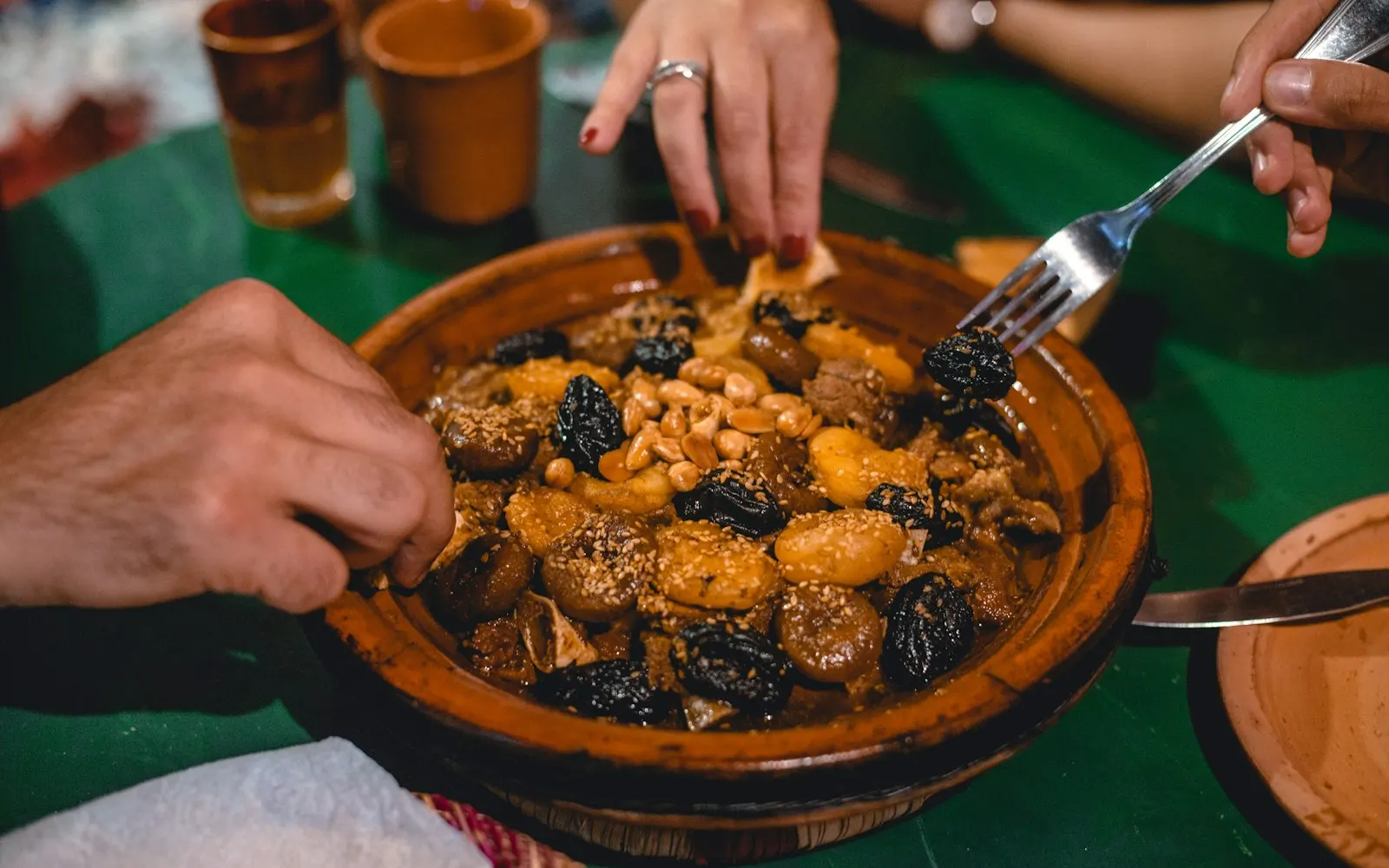
At the food stalls of Jemaa el-Fna, items you did not order (bread, olives, sauces) may appear and be added to the bill. Ask the price of each dish, check the menu, and count your change. Our night street food tour is a good way to eat at local spots without the guesswork.
| Scam or nuisance | Where it happens | How to avoid it |
|---|---|---|
| Fake guide / "road closed" | Medina alleys, near sights | Ignore, use offline maps, hire licensed guides |
| Henna ambush | Jemaa el-Fna | Keep hands away, agree price first |
| Paid photos | Jemaa el-Fna | Agree a fee or skip the photo |
| Unmetered taxi | Everywhere | Ask for the meter or fix the price |
| Extra items on bill | Food stalls, cafes | Ask prices, check the bill |
| Pickpocketing | Crowds, square at night | Front pocket, zipped bag, phone away |
Pickpocketing and Petty Theft
Pickpocketing happens mainly where crowds are thickest: around the food stalls and street performers of Jemaa el-Fna after sunset, in the narrow central souks, and on crowded buses. Scooter snatches of phones occasionally happen on the edge of the medina.
Carry a zipped cross-body bag worn in front, keep your phone in a front pocket, and bring only the cash you need for the day. Our Jemaa el-Fna guide has more on enjoying the square safely.
Solo Female Travel in Marrakech
Solo female travel in Marrakech is very common, and most women we meet have a good time. That said, being honest matters: verbal attention is a real part of the experience. Expect comments, "hello gazelle," "bonjour madame" and offers to show you the way. It is usually more annoying than threatening.
Practical tips for women
- Dress modestly. Covering shoulders and knees, with loose clothing, noticeably reduces attention. You do not need a headscarf. See our guide on what to wear in Morocco.
- Walk with purpose. Looking lost invites "helpers." Check your map in a cafe or shop doorway rather than in the middle of an alley.
- Do not engage. A firm "no thank you" and continuing to walk is enough. You owe nobody conversation.
- Wear sunglasses. They make it easier to avoid eye contact in busy streets.
- Choose your riad carefully. Read recent reviews from women, and pick a riad on a well-lit lane, close to a main route.
- Join group activities. A guided walk, cooking class or desert evening is a sociable, low-stress way to explore.
If harassment ever crosses a line, step into a shop or cafe, say loudly that you will call the police ("Boulis"), or approach the tourist police. Moroccan bystanders, especially older men and women, will usually intervene.
Safe Areas and Areas to Know
Most of Marrakech is perfectly fine for visitors. It helps to understand the main districts.
- The medina: The historic walled city, where most riads are. Busy and safe on main routes by day and evening. Quieter residential corners can feel deserted late at night.
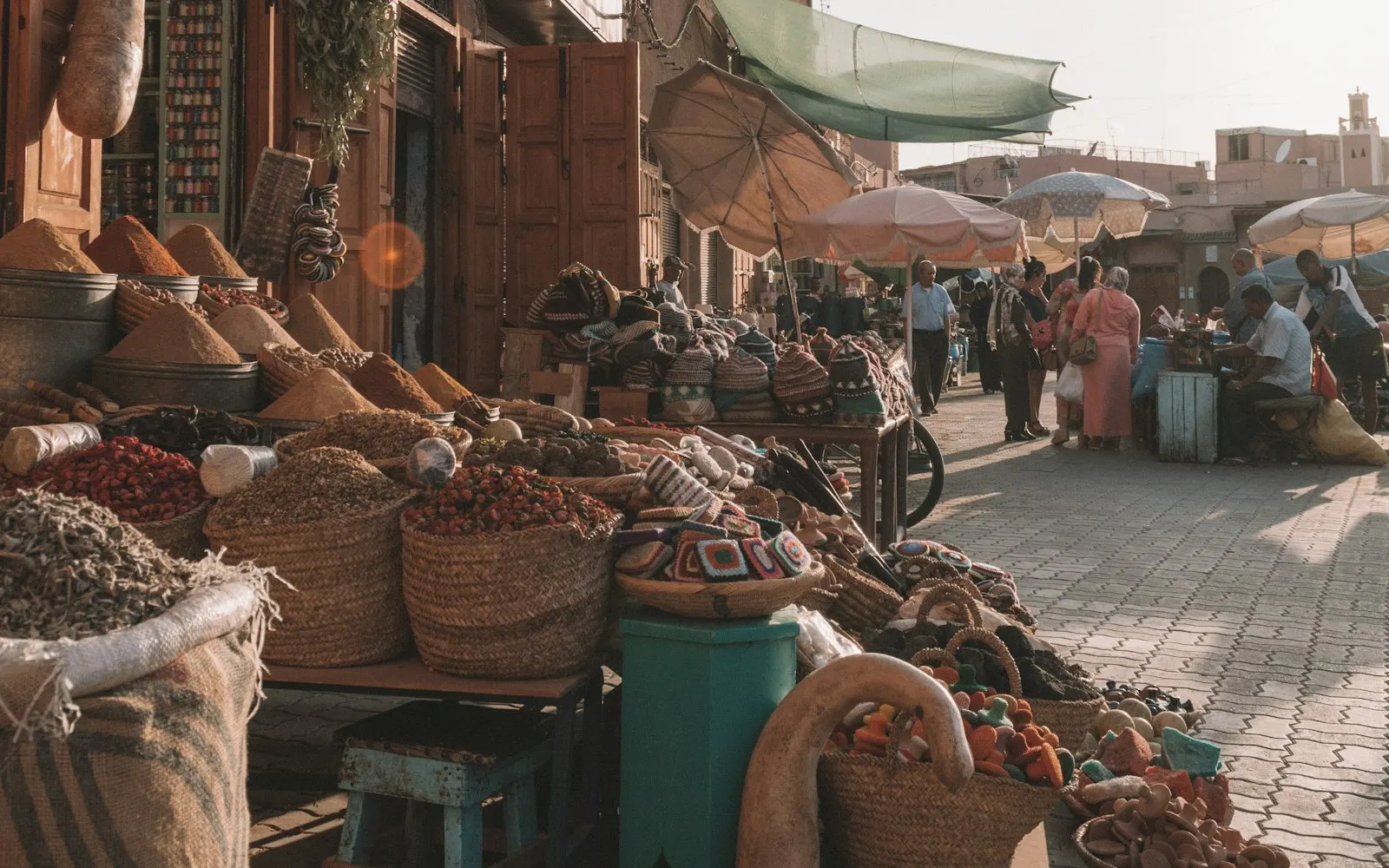
- Jemaa el-Fna and the souks: The tourist heart. Safe but crowded, so this is where pickpockets and scammers concentrate.
- Kasbah and Mellah: Near the Saadian Tombs and Bahia Palace. Pleasant by day; the Mellah's lanes are confusing, so fake guides are common.
- Gueliz and Hivernage: The modern new town, with wide boulevards, cafes, hotels and nightlife. Generally relaxed and easy to navigate.
- Palmeraie: Resorts and villas outside the center. Safe but spread out, so you will rely on taxis.
There is no area of central Marrakech that tourists need to avoid outright, but use common sense in empty alleys and unlit streets, as you would in any large city.
Is Marrakech Safe at Night?
Marrakech comes alive after dark. Jemaa el-Fna fills with food stalls, musicians and storytellers, and families stroll until late. The main medina routes, such as the roads between Jemaa el-Fna, Bab Doukkala and the Kasbah, stay busy until around midnight.
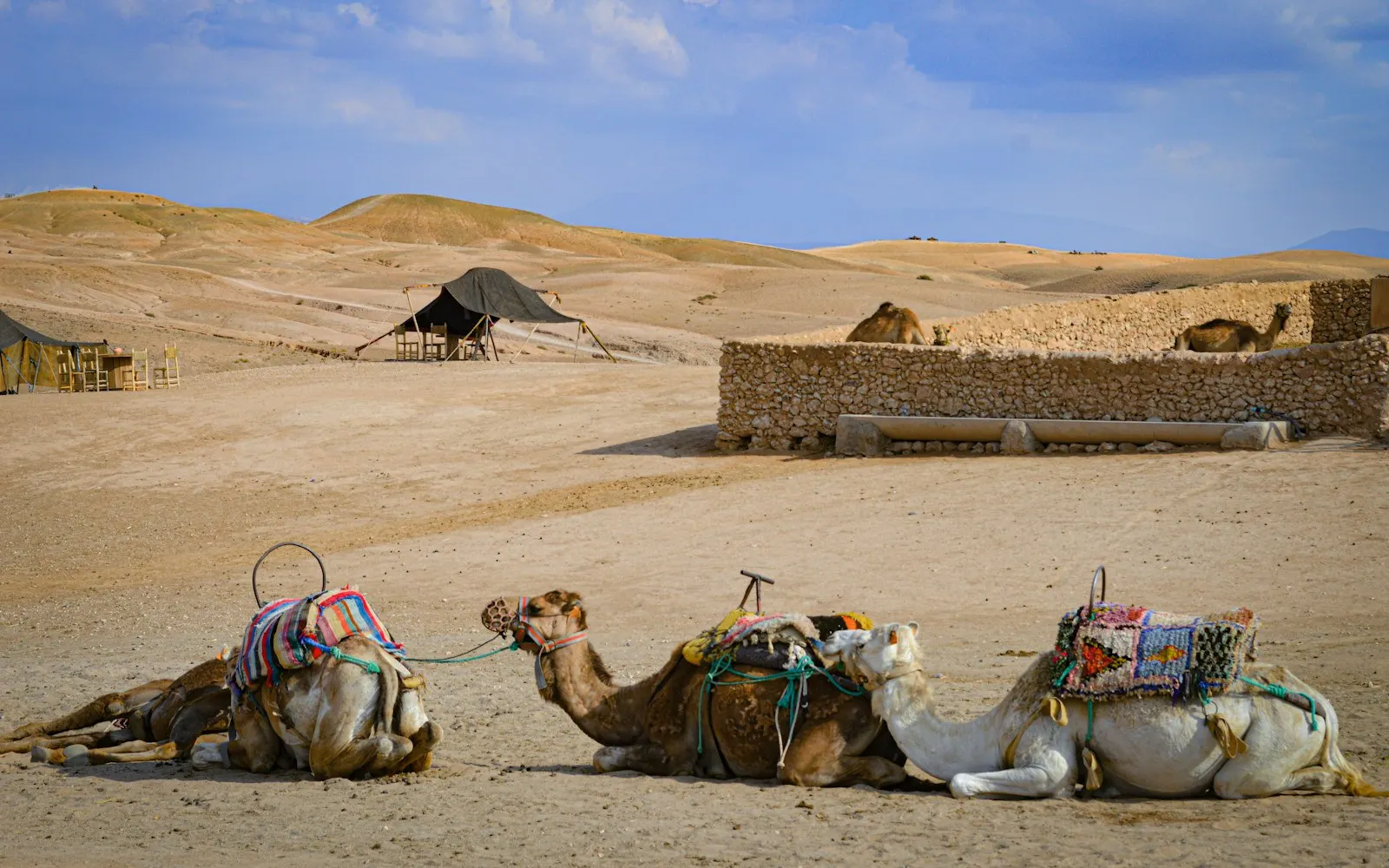
Later, the souks shut and small alleys empty out. If your riad is deep in the medina, ask staff to meet you at a landmark. Gueliz and Hivernage have most of the bars and clubs; take a taxi back rather than walking long distances. If you want to see the city after dark with locals, our guides run evening tours, and an Agafay desert sunset dinner includes return transport to your hotel.
Is It Safe to Take Day Trips and Desert Tours?
Excursions to the Atlas Mountains, Essaouira and the Sahara are popular and generally safe. The biggest factor is road safety, especially on the winding Tizi n'Tichka pass, so choose an operator with licensed drivers and insured vehicles rather than the cheapest street offer.
Mountain trekking should always be done with a qualified guide; in fact, guides are required for some routes in Toubkal National Park. Ask your operator what is included, how many hours you will spend driving, and whether you can cancel if weather turns.
Our Top Marrakech Safety Tips
- Download an offline map before you arrive; the medina has weak signal in places.
- Agree the price before any service: taxi, photo, henna, guide or carriage ride.
- Use licensed guides, booked through your riad or a reputable operator.
- Carry small notes in dirhams and keep your passport in the hotel safe.
- Learn a few words: "la, shukran" (no, thank you) works wonders.
- Save your riad's phone number and location pin.
- Get travel insurance, and remember summer heat can top 40°C (104°F).
- Trust your instincts. If something feels off, walk into a shop, cafe or hotel.
For more first-timer advice, read our Marrakech travel tips for first-time visitors.
Conclusion
So, is Marrakech safe? For the vast majority of visitors, yes. The city asks you to stay alert, to say no with a smile, and to agree on prices before you pay, but it rewards you with incredible food, history and hospitality. Many travelers find that spending their first morning with a local guide makes the whole trip easier, because you learn the layout and the unwritten rules quickly.
If you would like our team to show you around, our Marrakech medina walking tour runs from €25 per person. Message us on WhatsApp to book, ask questions or check availability. You pay on the day, cancellation is free, and hotel pickup is included.